November 5, 2026
A well-maintained deck can provide years of outdoor enjoyment while enhancing your home's appearance and functionality. Whether you have a wooden deck or a composite structure, understanding how materials respond to weather, moisture, and everyday use is essential for protecting your investment.
At Deck Stars LLC, we understand that every deck has unique needs. Climate conditions, construction materials, and regular upkeep influence how long an outdoor structure remains dependable. Professional deck maintenance helps homeowners address problems before they develop into expensive repairs.
According to This Old House, deck components typically last anywhere from about 10 years in coastal environments to 30 years in dry climates, with an average lifespan of around 20 years in most conditions. These estimates highlight the importance of choosing appropriate materials and scheduling professional care.
Understanding Different Decking Materials
Maintaining Traditional Wooden Decks
Wood remains a popular decking material because of its natural appearance, versatility, and ability to complement different architectural styles. Cedar, redwood, and pressure-treated lumber are common options, each offering distinct advantages.
However, wooden decks are vulnerable to moisture, sunlight, insects, and temperature fluctuations. Without appropriate protection, boards may develop cracks, splinters, discoloration, or rot. These problems can affect appearance and structural stability.
Professional inspections help identify damaged boards, deteriorating fasteners, and areas requiring protective treatments. Regular sealing and staining can reduce moisture penetration and protect exposed surfaces from environmental damage.
Maintaining Modern Composite Decks
Composite decking combines wood fibers with synthetic materials to create a durable alternative to traditional lumber. Homeowners appreciate its resistance to insects, decay, and common weather-related problems.
Although composite materials require less upkeep than wood, they are not maintenance-free. Dirt, mildew, stains, and prolonged sun exposure can affect their appearance. Certain products may also experience fading or surface wear.
Professional deck maintenance for composite structures focuses on appropriate cleaning methods, inspecting connections, and identifying deterioration. Using manufacturer-approved products is important because aggressive chemicals or excessive pressure can damage certain surfaces.
Maintaining Durable Plastic Decks
Plastic lumber is another option for homeowners seeking long-lasting outdoor materials. Often manufactured using recycled plastics, these boards resist moisture absorption, splintering, and insect damage.
Despite these advantages, plastic decking can develop scratches, surface discoloration, and temperature-related expansion. Some products also become noticeably warm in direct sunlight.
Proper installation and periodic professional evaluations help address these considerations. Choosing suitable materials for the surrounding climate can improve performance while reducing upkeep expenses.
Understanding Environmental Factors
Evaluating Moisture and Humidity
Moisture is among the most significant threats to outdoor decking, particularly wooden structures. Frequent rainfall, standing water, and humid conditions can encourage fungal growth and accelerate deterioration.
Areas beneath furniture, near landscaping, or around poorly draining sections may remain damp longer than exposed surfaces. Trapped moisture can contribute to weakened boards and damaged structural components.
Professional evaluations can identify drainage concerns and recommend improvements that reduce water exposure. Effective deck maintenance should account for visible surfaces and less accessible structural areas.
Evaluating Sun and Temperature Exposure
Direct sunlight can fade decking materials and contribute to surface deterioration. Wooden boards may dry out, crack, or become discolored, while certain composite products can experience changes in appearance.
Temperature fluctuations also cause materials to expand and contract. Repeated movement may place stress on connections, fasteners, and adjoining components.
Appropriate protective finishes, material selection, and professional inspections help address these challenges. Homeowners considering a replacement deck can benefit from discussing sun exposure and regional weather patterns during planning.
Evaluating Seasonal Weather Changes
Seasonal conditions create different challenges throughout the year. Spring rainfall may increase moisture exposure, while summer heat can accelerate fading and surface wear.
Autumn leaves and debris may trap water between boards. Winter freezing conditions can further stress materials, particularly where moisture enters existing cracks.
Scheduling deck maintenance around seasonal changes helps identify problems before they become extensive. Professional assessments are especially valuable following severe storms or prolonged harsh weather.
Understanding Professional Cleaning Practices
Removing Dirt and Organic Debris
Outdoor decks accumulate dirt, leaves, pollen, and other debris. When these materials remain on surfaces, they can retain moisture and contribute to staining or biological growth.
Regular professional cleaning preserves the deck's appearance while reducing conditions that encourage deterioration. Cleaning methods should reflect the decking material, surface finish, and manufacturer's recommendations.
Wood, composite, and plastic surfaces may require different products and pressure levels. Improper cleaning techniques can damage finishes or create unnecessary surface wear.
Addressing Mold and Mildew
Mold and mildew frequently develop in shaded or damp outdoor environments. Their appearance may indicate persistent moisture, inadequate airflow, or drainage problems.
Although surface cleaning can remove visible growth, recurring problems sometimes require additional investigation. Moisture trapped beneath decking or around structural connections may continue causing damage.
Professional deck maintenance can address visible buildup while identifying contributing environmental conditions. This approach supports lasting improvements rather than repeatedly treating the same symptoms.
Protecting Existing Surface Finishes
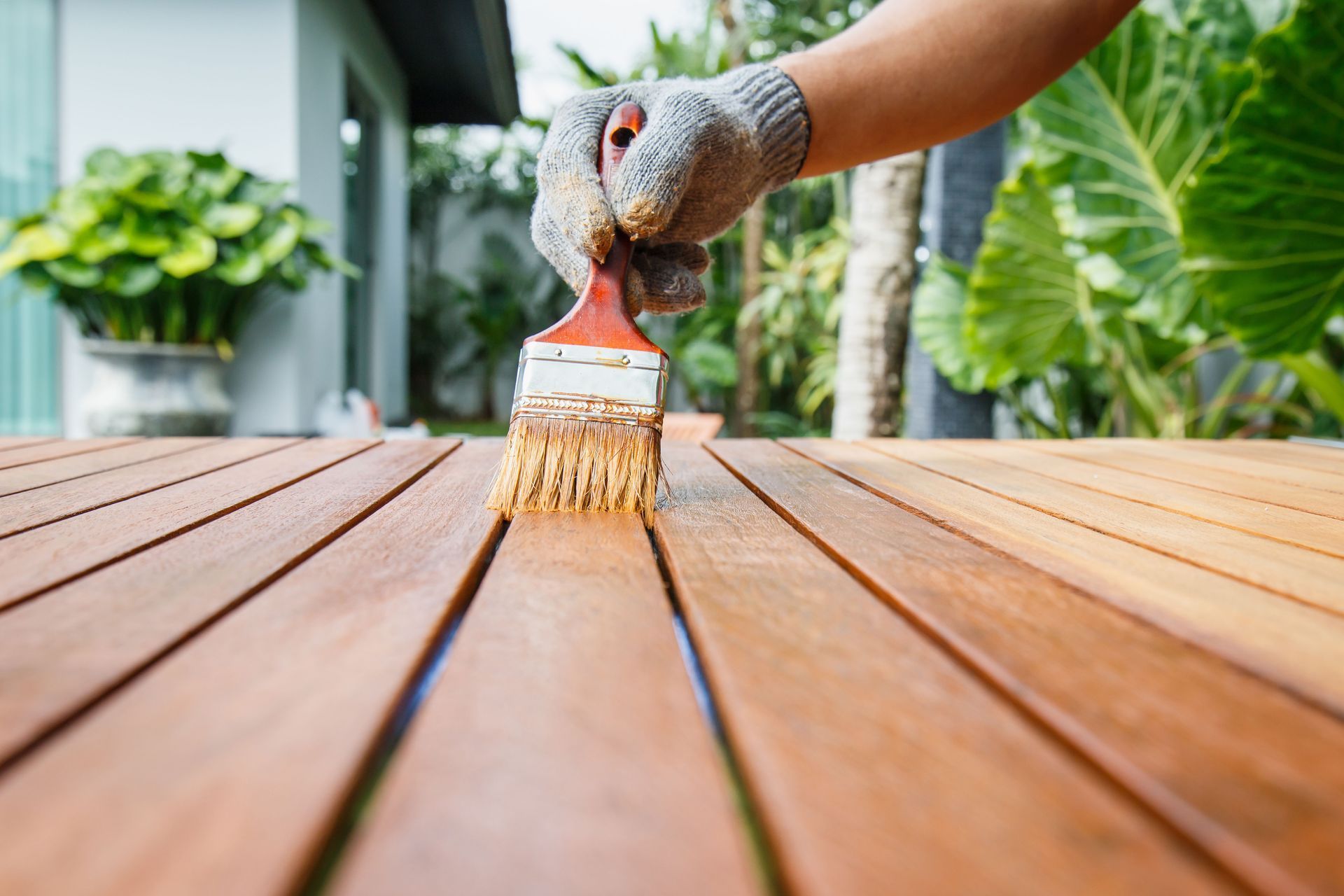
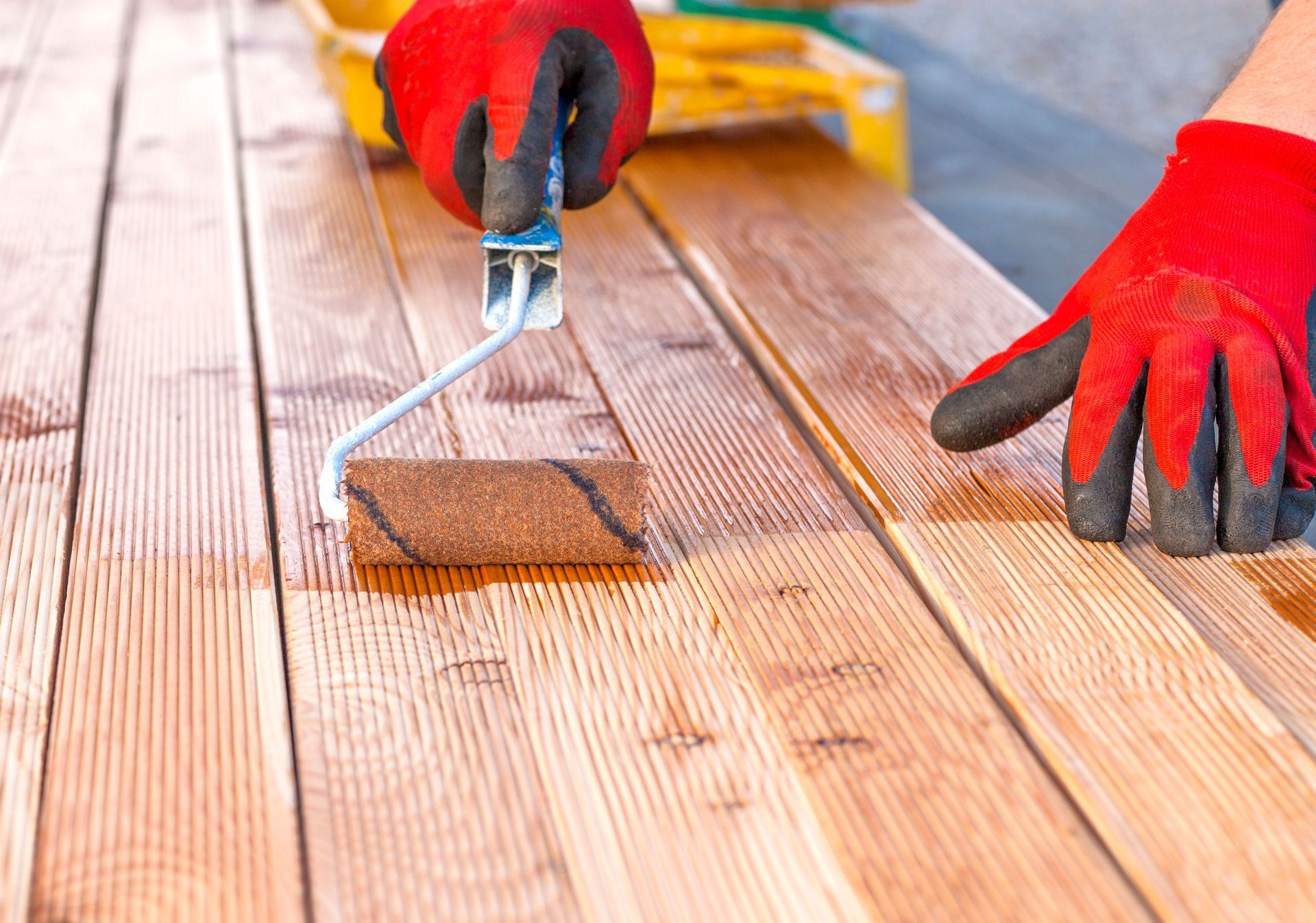
Protective finishes play an important role in preserving wooden decks. Sealants help limit moisture penetration, while stains can provide color and varying degrees of ultraviolet protection.
However, applying protective products requires appropriate surface preparation and careful material selection. Existing coatings, wood condition, weather conditions, and product compatibility influence results.
At Deck Stars LLC, we believe homeowners benefit from professional guidance when evaluating protective treatments. Properly selected finishes can maintain a deck's appearance while reducing premature surface deterioration.
Understanding Structural Maintenance Needs
Inspecting Boards and Fasteners
A deck's appearance does not always reveal its structural condition. Loose boards, corroded fasteners, and deteriorating connections can develop gradually, especially in areas exposed to moisture.
Professional inspections assess visible decking components and accessible structural connections for damage. Particular attention should be given to areas where the deck attaches to the home and where supporting elements experience prolonged exposure.
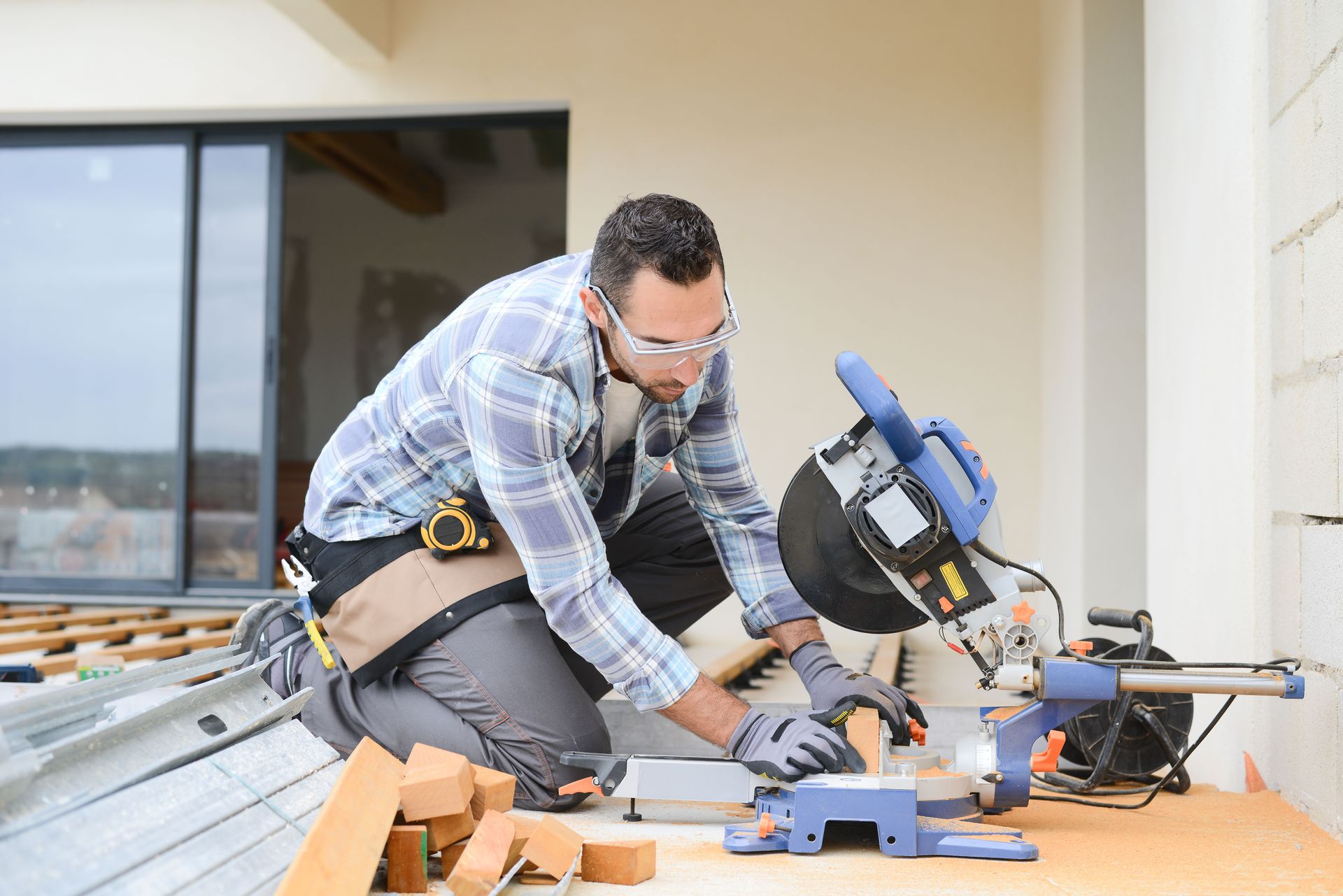
Addressing concerns promptly can prevent additional deterioration and maintain safe outdoor conditions. Structural repairs should be completed by qualified professionals familiar with applicable building requirements.
Inspecting Railings and Supports
Railings, stairs, posts, and supporting beams contribute directly to a deck's safety and functionality. Movement, cracking, corrosion, or visible deterioration may indicate that professional attention is necessary.
Even small changes can become serious when structural components experience repeated use and environmental stress.
Comprehensive deck maintenance includes evaluating these critical elements rather than focusing exclusively on surface appearance. When significant damage is identified, a qualified contractor can determine whether repairs or replacement are appropriate.
Inspecting Drainage and Ventilation
Adequate drainage and airflow protect decking materials from excessive moisture. Poorly ventilated spaces beneath decks may retain humidity, increasing the likelihood of deterioration.
Standing water near support posts or foundations can create unfavorable conditions. Landscaping changes, soil movement, and drainage issues may affect previously stable areas.
Professional evaluations help determine whether adjustments are needed to improve moisture management. Addressing underlying environmental problems can support the long-term performance of the structure.
Understanding Long-Term Deck Protection
Planning Preventive Service
Preventive care is generally more manageable than addressing extensive deterioration after problems develop. Establishing a professional service schedule allows homeowners to monitor material conditions and respond to changing needs.
Older decks may require more frequent evaluations, particularly when exposed to harsh weather or heavy use. Newer structures also benefit from inspections that identify installation concerns or premature material wear.
A consistent deck maintenance plan helps homeowners make informed decisions about repairs, protective treatments, and eventual replacement.
Planning Future Improvements
As decks age, homeowners may consider upgrading worn materials, replacing outdated railings, or improving the layout. These changes can enhance usability while addressing existing performance concerns.
Professional recommendations can help determine whether targeted improvements are practical or whether a larger renovation offers better long-term value.
Material durability, climate compatibility, and anticipated upkeep should influence these decisions. Thoughtful planning helps create an outdoor space that remains functional and attractive for years.
Planning With Experienced Professionals
Maintaining a deck requires attention to materials, environmental conditions, and structural integrity. Professional evaluations provide homeowners with insight into existing problems and potential improvements.
At Deck Stars LLC, we understand the importance of protecting outdoor living spaces through informed planning and quality workmanship. Whether you're concerned about aging materials, visible damage, or your deck's condition, experienced guidance can help determine the next steps.
Investing in professional deck maintenance supports the longevity, appearance, and usability of your outdoor structure. Contact Deck Stars LLC to discuss your decking needs and explore solutions for keeping your outdoor space in excellent condition.